From the neon lights of Leicester Square to Bristol’s vibrant scene, we’re pulling back the curtain on the business of circus residencies in UK casino hotels. This isn’t just about a show renting a space; it’s a strategic, symbiotic alliance reshaping the nation’s entertainment landscape. Beyond the slot machines and card tables, a high-stakes partnership between artistic daring and commercial acumen is playing out, bringing world-class aerialists, acrobats, and cabaret stars to unexpected venues. This is the inside track on how these deals are struck, staged, and sold.
The Mutual Benefits: Why Casinos and Circus Companies Partner
At its core, the partnership between a casino and a circus company is a classic win-win. Casinos are perpetually seeking premium, sophisticated attractions to diversify their offering, drive footfall, and increase dwell time. A high-quality circus or cabaret show provides a compelling reason for visitors to enter and stay, appealing to a broader, often family-friendly demographic alongside traditional gaming patrons. For the circus companies, a casino residency offers a rare jewel: a stable, long-term venue with significant production infrastructure, a built-in audience of visitors, and the financial security to allow artistry to flourish.
Driving Footfall and Premium Entertainment
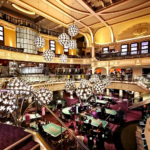
For casino operators, a renowned circus act is more than a show; it’s a strategic traffic driver. It positions the venue as a holistic entertainment destination. A prime example is The Hippodrome Casino in Leicester Square, whose long history of hosting circus-style variety and cabaret has cemented its reputation far beyond the gaming floor. These shows attract tourists, theatre-goers, and locals looking for a unique night out, many of whom will also utilise the bars, restaurants, and other amenities, boosting overall spend.
Financial Stability and Creative Freedom for Artists
For performers and production companies, the traditional model of touring is financially precarious and logistically exhausting. A casino residency provides a fixed home for months or even years. This stability allows for investment in higher-quality sets, bespoke rigging, and more intricate costumes. It also affords artists the creative freedom to refine their act and build a lasting connection with an audience, something rarely possible in a one-night-stand touring schedule.
From Pitch to Performance: Securing the Deal
Securing a coveted casino residency is a meticulous process that blends art with hard-nosed business. It begins long before the first aerialist takes flight.
The Proposal and Showcase Stage
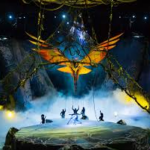
The initial approach must demonstrate more than just artistic merit; it must show commercial viability. Companies often present a proven act with a strong track record. The monumental success of productions like Cirque du Soleil’s longstanding London presence at The O2 has been influential, proving to hotel and casino operators that large-scale, premium circus entertainment commands loyal audiences and generates significant ancillary revenue. Proposals will include detailed audience demographics, marketing plans, and technical specifications.
Negotiating Terms: Revenue, Risk, and Run
Contract negotiations are critical and typically centre on three key areas:
- Revenue Share: A model is agreed upon, often a percentage of ticket sales or a guaranteed fee against a share of profits.
- Length of Residency: Terms can range from a few weeks for a trial run to multi-year agreements for established hits.
- Marketing Commitments: Both parties agree on budgets and responsibilities for promotion, from digital campaigns to in-house branding.
Logistical Mastery: Adapting a Show for a Casino Venue
Installing a circus within a casino is an engineering and creative feat. These venues, often historic or not purpose-built for theatre, present unique challenges that require innovative solutions.
Spatial and Technical Adaptations
Adapting a show for venues like the opulent Cafe de Paris or the grand halls of major casinos requires immense flexibility. Key considerations include:
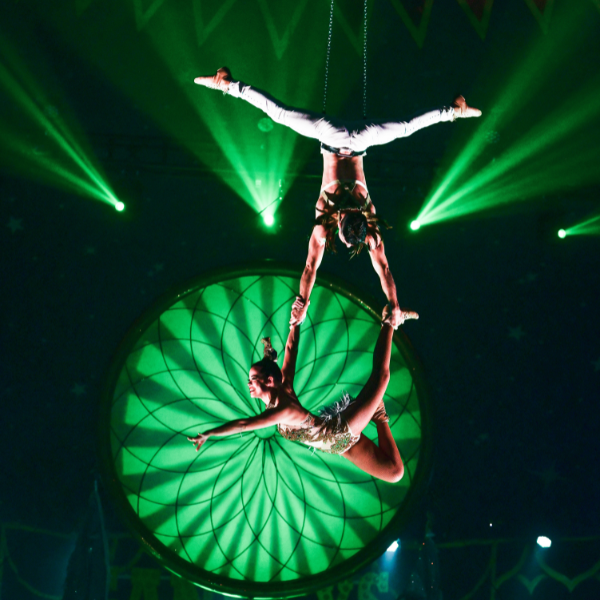
- Rigging: Installing secure aerial points for silks, hoops, and trapezes in listed buildings with weight restrictions.
- Acoustics: Tailoring sound design for intimate cabaret rooms versus reverberant grand halls.
- Sightlines: Ensuring every seat, often arranged around tables for dining, has a clear view of the performance.
Navigating Security and Licensing
Casinos operate under some of the most stringent security and licensing protocols in the hospitality industry. Performers and crew must pass thorough background checks. All equipment brought into the building is scrutinised, and performances must comply with strict fire, safety, and noise regulations specific to the venue’s gaming licence. This necessitates close, constant collaboration between the production manager and the casino’s security and compliance teams.
Marketing the Residency: A Joint Venture
Once the deal is signed and the rigging is safe, the focus shifts to filling seats. Marketing a casino-circus residency is a truly joint venture, leveraging the strengths of both partners.
Co-Branded Campaigns and Audience Targeting
Campaigns present a unified brand, such as “The Grosvenor Victoria Casino presents [Circus Name].” This associates the casino with high-calibre entertainment and gives the circus show the kudos of a established venue. Marketing targets a dual audience: the casino’s existing database of high-value guests and the broader market of tourists and local culture-seekers searching for “London casino shows” or “casino cabaret UK.”
Leveraging Player Databases and Local Partnerships
The casino’s membership and player database is a goldmine for direct marketing, offering exclusive pre-sale tickets or dining packages. Simultaneously, the circus company’s artistic brand attracts its own followers. This effort is bolstered by partnerships with local hotels, tourism boards, and ticket platforms, creating a comprehensive promotional net that captures both the tourist trade and the local community.
Case Studies: UK Residencies in Action
The success of this model is evident across the UK, from the heart of the capital to burgeoning regional hubs.
London’s Leicester Square Circuit
The Hippodrome Casino stands as the archetype, having successfully hosted everything from burlesque and magic to large-scale circus variety in its dedicated performance space. Nearby, venues like the Cafe de Paris have built their reputation on contemporary cabaret and circus acts, offering a more intimate, dinner-show experience. Similarly, the Grosvenor Victoria Casino on Edgware Road has utilised its event spaces to host bespoke circus and performance events, drawing in a sophisticated London crowd.
The Growing Regional Scene: Bristol and Beyond
The model is not confined to London. Bristol’s emerging casino and circus scene exemplifies the trend in creative hubs. The city’s rich street performance culture and venues like Bristol Hippodrome provide a talent pool and audience appetite that local casino venues are beginning to tap into, offering a new platform for regional circus companies to secure stable residencies outside the capital’s competitive market.
The Future of Casino Circus Partnerships in the UK
The trajectory of these partnerships points towards even more innovative and integrated entertainment experiences.
Immersive and Hybrid Format Trends
The future lies in deeper immersion. Expect more dinner-show hybrids where the performance unfolds around and above the audience, and narrative-driven experiences that blend circus artistry with theatrical storytelling. This moves beyond a passive show into an all-encompassing night out, directly competing with traditional theatre for a share of discretionary spend.
Technology and Major Producer Influence
To overcome spatial limitations in historic buildings, digital projection mapping and immersive audio will create expansive virtual environments. Furthermore, the success of the Las Vegas model, where entire casinos are built around a Cirque du Soleil show, will continue to influence UK deals. While on a smaller scale, partnerships with major international and national producers will become more common, seeking to replicate the guaranteed draw of a globally recognised brand.
These sophisticated partnerships are far more than a simple venue hire. They represent a mature, win-win model that leverages commercial infrastructure for artistic gain and uses world-class performance to drive business. In doing so, they are actively elevating the UK’s live entertainment landscape, creating thrilling new circuits for circus arts far beyond the traditional theatre district.